
We consider crises and care together. Thinking about crises from the perspective of care enables us to question whether disasters and emergencies are purely natural or exceptional phenomena. This approach helps us understand how situations of vulnerability arise, and the forms of knowledge, support, and intervention that enable us to address them.
Conversely, considering care from the perspective of crisis prevents us from holding an idealised view of it. By asking who cares, under what conditions, with what resources, and with what recognition, we can contribute to building fairer forms of care and support.
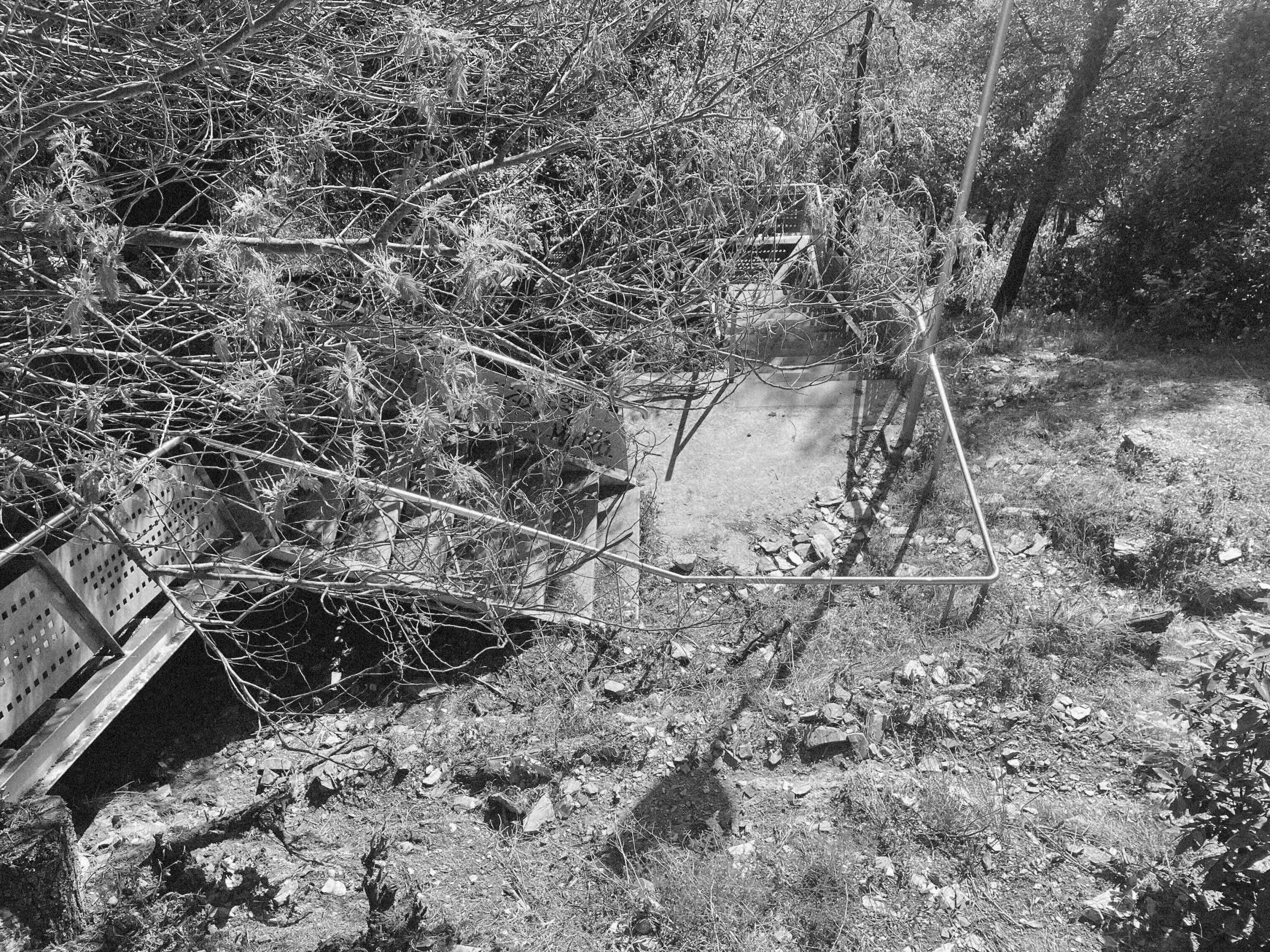
CareNet’s research lines relate two systemic crises of our time: the ecosocial crisis, linked to disasters and climate emergencies, and the care and welfare crisis, associated with population ageing, the precarisation of reproductive labour, deinstitutionalisation and the biomedicalisation of life.
Support and resilience in disasters and emergencies
CareNet studies how individuals, communities and public institutions prepare for, respond to and adapt to disasters, emergencies and the impacts of the climate crisis.
Care, deinstitutionalisation and the welfare crisis
CareNet explores the transformation of care, well-being and health in the current context of deinstitutionalisation and socio-demographic, technological and environmental change.
At CareNet, we explore what constitutes care and resilience, how caring responsibilities are distributed, and which knowledge is recognised in situations of risk and uncertainty. We examine these issues from three interconnected perspectives.
Materiality, technologies and more-than-human ecologies
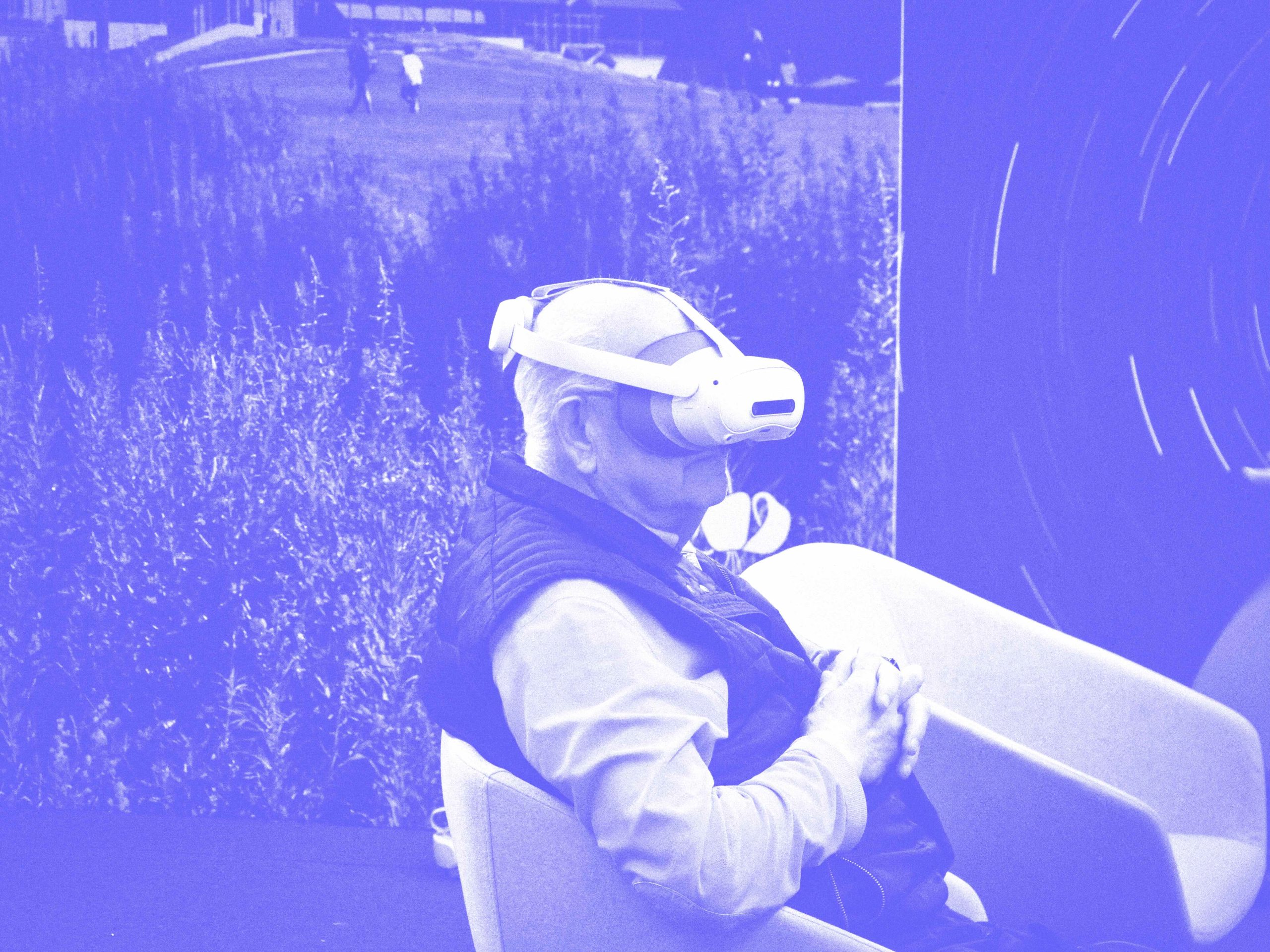
What role do social and technological infrastructures, objects and more-than-human ecologies play in forms of care, support and attention? How do they intervene in the ways crises, disasters and emergencies are produced and confronted?
CareNet explores these questions from perspectives drawn from Science and Technology Studies (STS), new materialisms, ecofeminisms and multispecies studies. These perspectives allow us to understand that care and responsiveness depend not only on people but also on material, technological and ecological environments.
Power, vulnerability and the organisation of care.
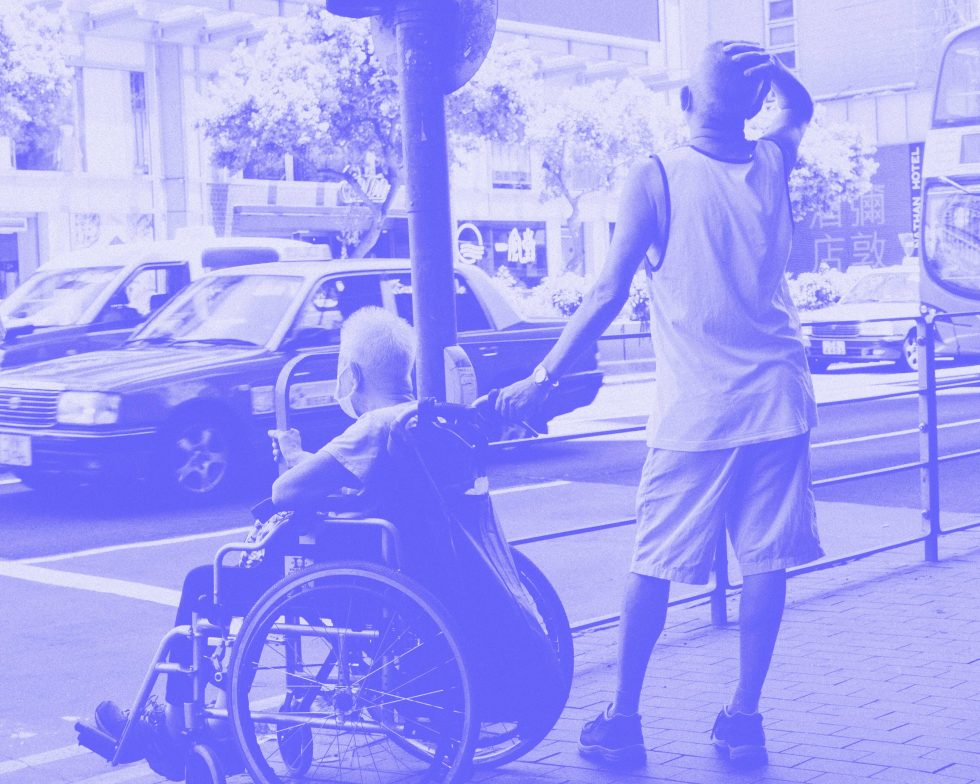
How is it defined who is vulnerable, dependent, autonomous? Who needs attention, support and care? Who assumes the responsibility for caring and under what conditions?
We analyse the power relations that shape crises, the ways of sustaining life, and the positions of those who care and those who are cared for. We do so from feminist perspectives and from critical studies of disability, ageing, mental health and the forms of governance of life.
Knowledge co-production and methodological experimentation
What kinds of knowledge are mobilised in crisis situations and in care practices? What role do experience, the senses and different forms of expertise play? Which people and which bodies of knowledge are recognised, and which tend to be marginalised?
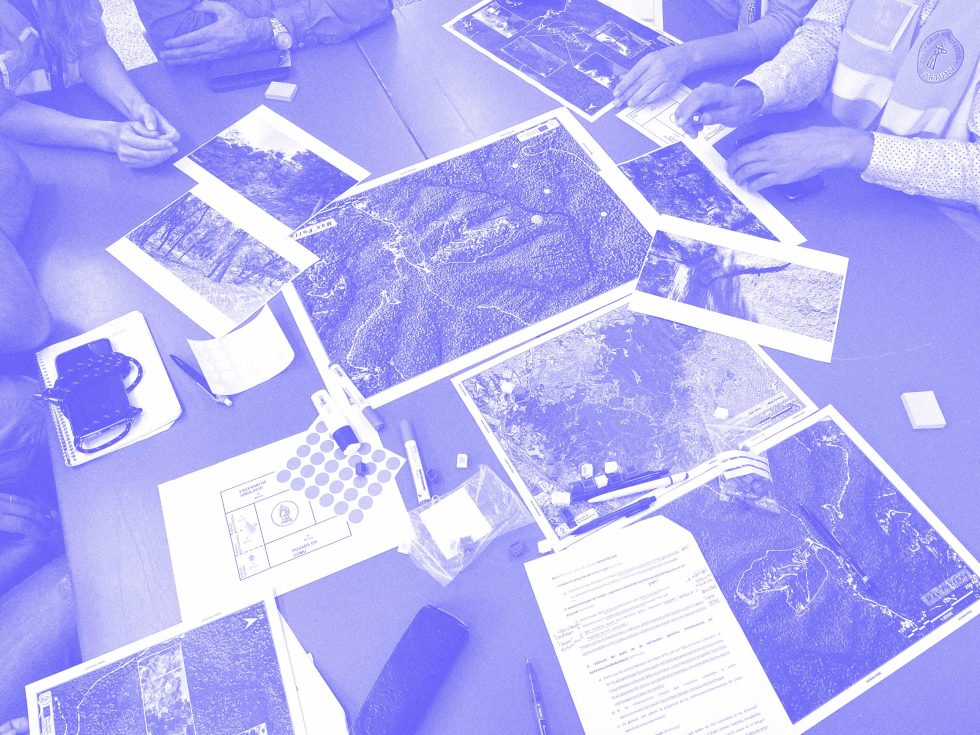
We combine multimodal ethnography with participatory, sensory, creative and design methodologies. We develop inclusive research methods that bring together academic, professional and experiential knowledge, and that incorporate the plurality of knowledges, interdisciplinary work and, in some projects, artistic production.

Social and Cultural Transformations Interdisciplinary Research Centre
UOC-TRÀNSIC
UOC Interdisciplinary R&I Hub
Regulatory compliance | Legal notice | Privacy policy | Data protection officer | Accessibility