
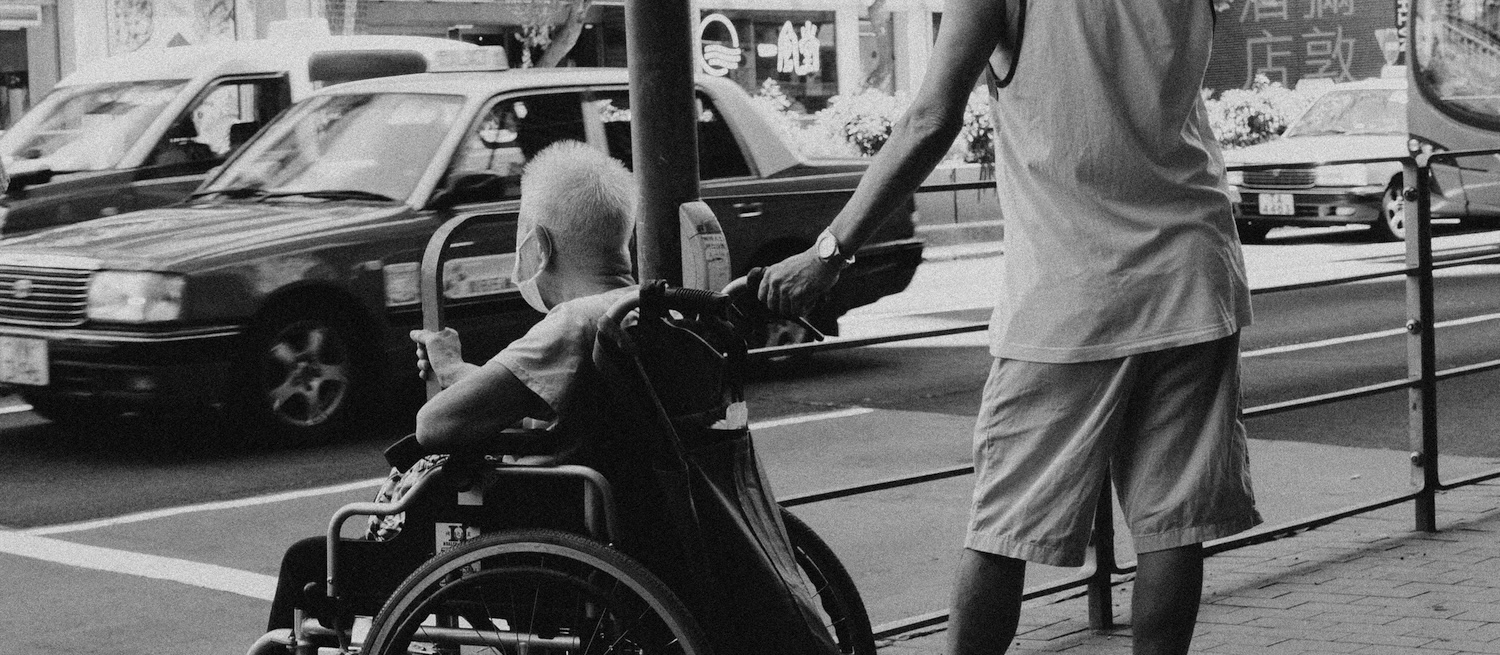
Care, deinstitutionalisation and the welfare crisis
CareNet explores the transformation of care, well-being and health in the current context of deinstitutionalisation and socio-demographic, technological and environmental change. We study the role of community infrastructures, such as support networks, cohousing, and care communities; technological infrastructures, such as digital platforms, artificial intelligence, and assistive robotics; and urban and environmental infrastructures, such as accessible, friendly, and therapeutic environments. What forms of care, wellbeing and health do they promote? Who do they benefit and who might be excluded?
Through the study of these infrastructures, we aim to make visible the different knowledges – expert, technical and experiential – that contribute to the definition of new welfare models. We also analyse how care is defined, valued and organised, and how age, gender, old age, disability, illness, life and death are experienced.
From a commitment to social and epistemic justice, and in collaboration with the involved collectives and professionals, we participate in the design of infrastructures, policies and practices that contribute to making the right to dignified care a reality, for both the people receiving care and the carers.

Ageing, longevity and new care infrastructures
We study the transformations of ageing societies and the new community, technological, and urban infrastructures emerging to address their main challenges.
This sub-line addresses the digitalisation and automation of care, connectivity and social support; new care, community and residential environments for older people; urban ageing and new forms of urban planning adapted to a longer-lived society; and multispecies relationships and non-anthropocentric approaches to ageing.
We adopt a critical perspective on the categories used to understand and guide interventions concerning old age. We ask how concepts such as active or healthy ageing, the third and fourth ages, frailty, dependency, vulnerability or loneliness shape contemporary forms of ageing and what effects they have on individuals and their environments.
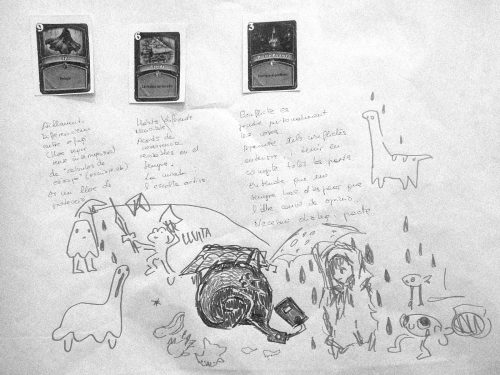
Mental Health and Community Care
We study how mental suffering is produced and managed, focusing on alternatives to institutionalisation and on practices of relational autonomy and collective care. We are interested in making visible the structural and systemic causes that produce avoidable suffering and in analysing the difficulties of responding to it beyond the hospital-centred or outpatient models of the mental health network.
We participate in projects aimed at advising on innovative public policies and expanding collaborative models within the formal mental health network. We are also interested in the knowledge produced by the mad movement and its contribution to practices and policies that are more attentive to the experience of those affected and to epistemic justice.
Our research in this area focuses on three main axes: the collaborative management of mental suffering and treatment; the relationships between care, gender and mental health; and narratives of affliction and local worlds.
Disability, independent living, accessibility
We study the social and cultural forms of disability production, as well as the responses and knowledge generated by collectives that reclaim the diversity of their experiences and bodies as a tool for social transformation.
We place a special emphasis on the knowledges that emerge from these experiences and on their capacity to challenge dominant forms of knowledge production. We also work on developing participatory practices, redesigning care and mutual support services, and creating non-ableist technical aids and urban infrastructures.
Our research in this area revolves around three axes: independent living; sensory epistemologies and knowledge production; and universal design and technical and urban infrastructures.
End of life, loss and memory
We explore the social, cultural and material dimensions of transitions linked to advanced illness and the end of life.
Our research in this area focuses on three main strands: the social and technological dimensions of the end of life, studying how technologies and community networks intervene in palliative and terminal care; chronicity and material mediation, analysing the objects and infrastructures that sustain everyday life in situations of advanced illness; and memorialisation and cultures of death, exploring how contemporary societies manage grief and remembrance through material and digital practices.