
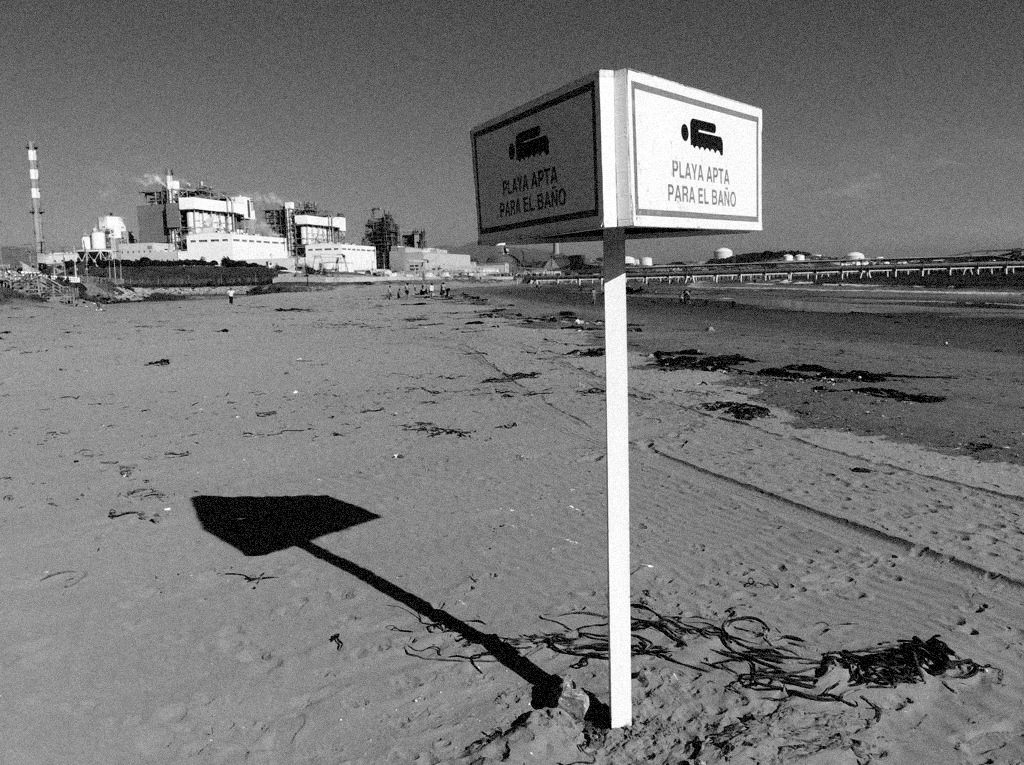
Support and resilience in disasters and emergencies
CareNet studies how individuals, communities and public institutions prepare for, respond to and adapt to disasters, emergencies and the impacts of the climate crisis. We analyse how social and territorial inequalities shape exposure to risks and capacities for response and adaptation, as well as the role played by support networks, infrastructure and trust among the various actors.
Using a participatory and inclusive approach, we develop methodologies to incorporate the knowledge and experiences of communities into risk reduction, emergency preparedness, and climate adaptation. In collaboration with professionals, authorities and communities, we contribute to designing policies, infrastructure and practices of care, support and resilience tailored to the characteristics of each risk and territory.
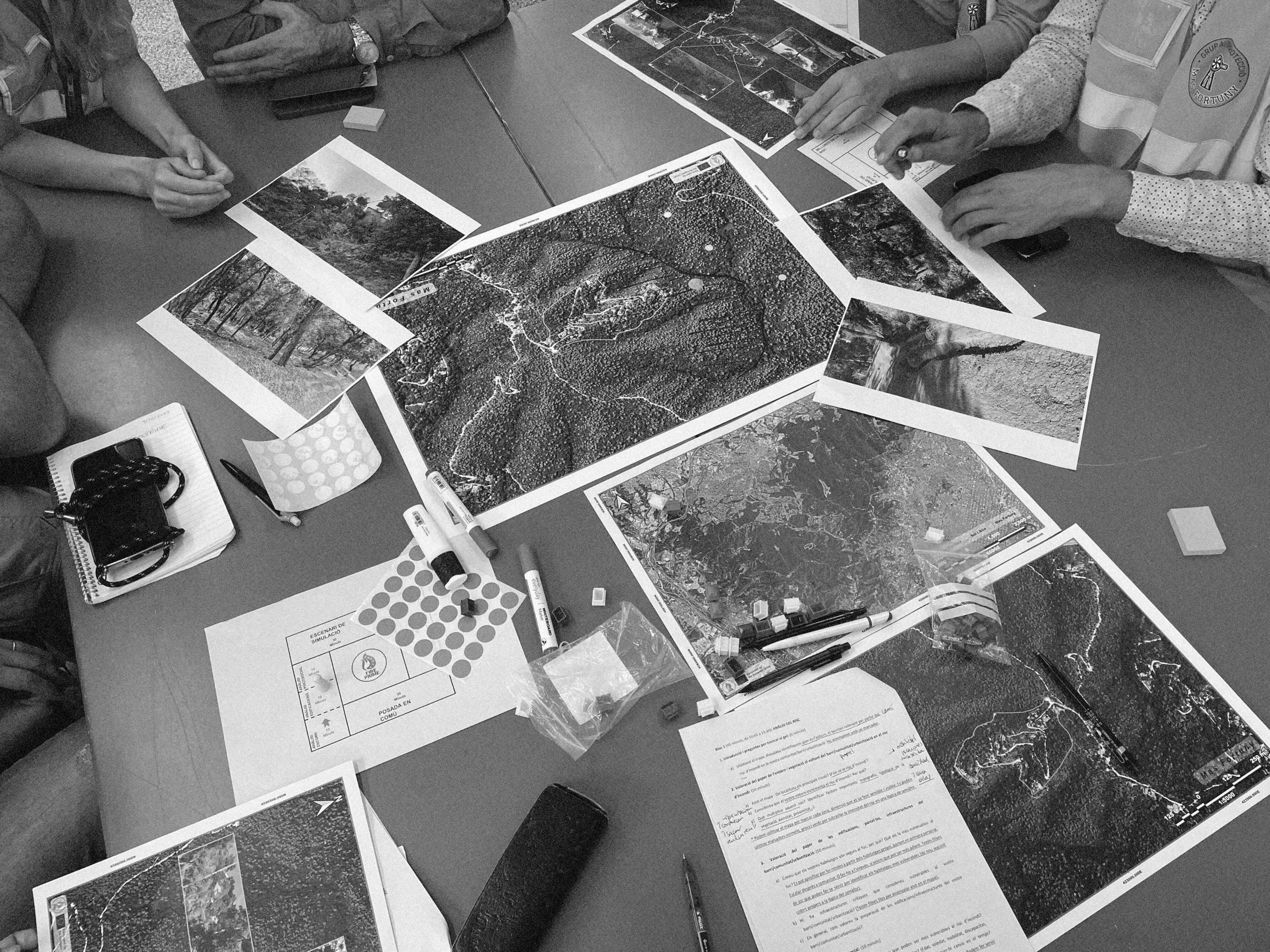
Disaster risk reduction and community resilience
This research sub-line addresses disaster risk reduction and emergency governance from a participatory and inclusive perspective. It analyses how communities, institutions and public services share knowledge, build trust and develop response capacities. It also examines how social and territorial inequalities shape exposure to risk, the distribution of responsibilities and mutual support practices.
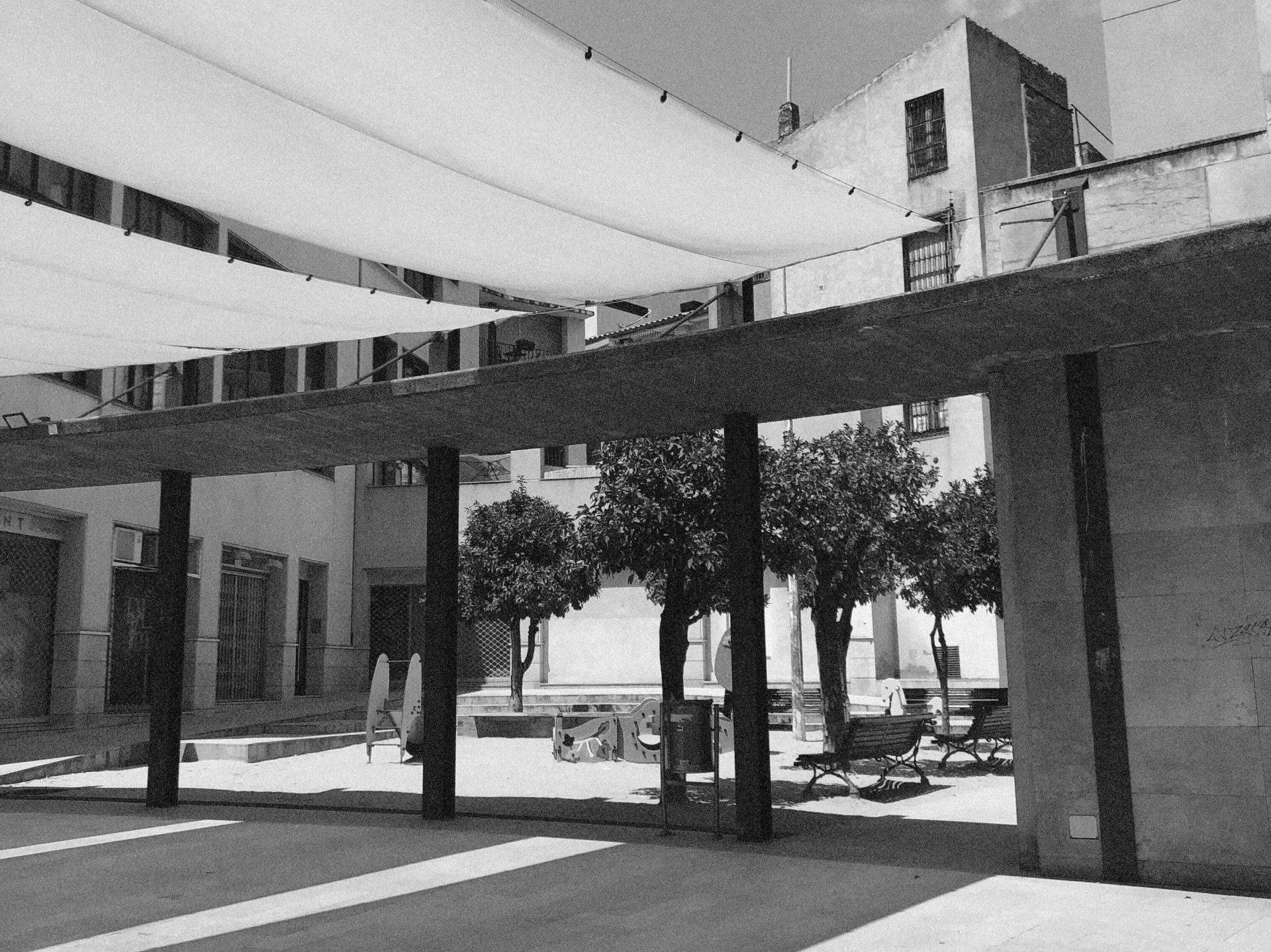
Resilient cities and climate crisis
This research sub-line develops creative methodologies and intervention practices to analyse and address the impacts of the climate crisis on urban life. In collaboration with professionals, activists and communities, we work on mapping climate vulnerability and on designing urban care infrastructures and practices.
We place special emphasis on how social inequalities and bodily differences, such as ageing or disability, shape exposure to risks and adaptive capacities. We also study the emergence of singular forms of environmental resilience.